
Introduction
When we talk about global “big daddies” of the economy, we are referring to countries that don’t just run their own systems—but actually influence how the entire world buys, sells, produces, and grows. Economic power is not only about size or wealth. It is about control, dependency, innovation, production ability, and long-term influence over global systems.
In today’s world, the most powerful economic players include the United States, China, Germany, Japan, and India. Each of these countries represents a different style of economic strength. Some lead through innovation, some through manufacturing, and some through long-term stability or future potential.
Instead of just comparing numbers like GDP, this article explores economic power in a more human-friendly and fact-based way—how these countries affect daily life, global trade, jobs, technology, and even the products we use every day.

The United States: The Innovation-Driven Financial Giant
The United States remains one of the strongest economic forces in the world. Its power comes from a mix of financial dominance, technological leadership, and global trust in its institutions. The US economy is deeply connected to global systems through trade, banking, technology, and services.
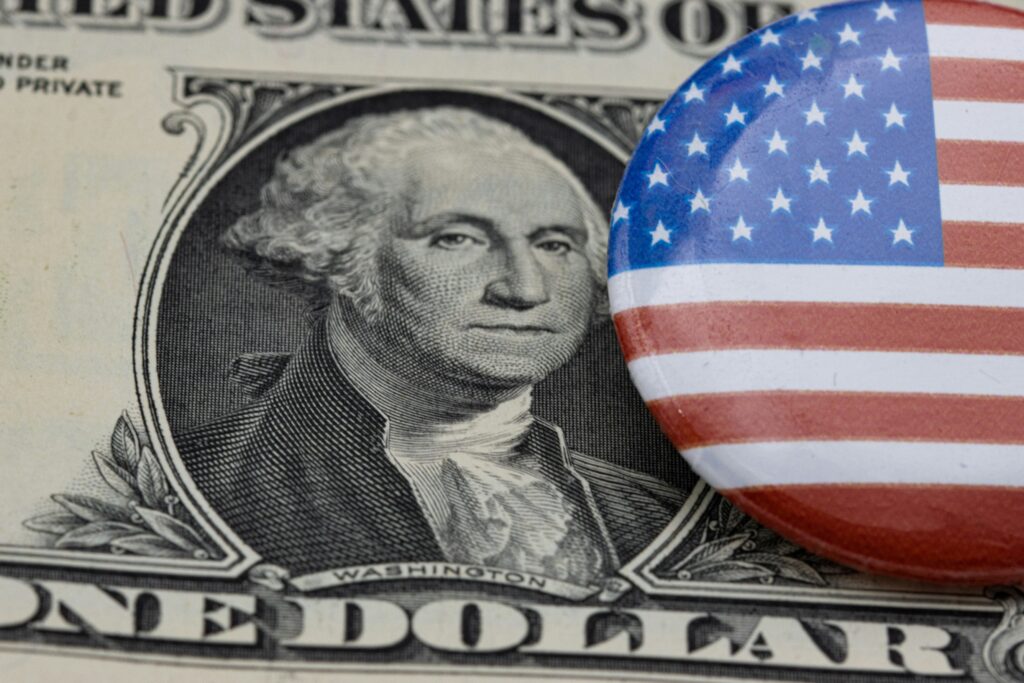
One of the biggest strengths of the US is its control over global finance. The US dollar is still the most widely used currency in international trade. This gives the country an invisible but powerful advantage—many global transactions depend on it.
But what truly makes the United States powerful is innovation. Companies like Apple, Microsoft, Google, and Amazon didn’t just grow businesses—they changed how humans live, communicate, and shop.
Human perspective:
In the US, economic power often starts with a single idea in a garage or dorm room. A student or engineer can build something that eventually affects millions or even billions of people worldwide. This culture of risk-taking is one of the country’s biggest economic strengths.
However, the US also faces challenges like income inequality, high national debt, and political divisions, which sometimes slow down decision-making.
China: The Manufacturing and Infrastructure Superpower
The rise of China is one of the fastest economic transformations in modern history. In just a few decades, it moved from a developing nation to a global manufacturing hub.
China’s economic strength is built on scale. It produces a massive portion of the world’s goods—from smartphones and electronics to clothing and machinery. Almost every household globally uses products that are connected to Chinese manufacturing.
Another major strength is infrastructure development. China has built massive cities, highways, rail networks, and ports at a speed unmatched by most countries in history.
It is also expanding global influence through trade partnerships and investment projects across Asia, Africa, and Europe.
Human perspective:
If the US represents innovation at the idea level, China represents execution at the global level. A single factory in China can supply products to dozens of countries, showing how deeply connected it is to everyday life.
China’s economic system allows fast decision-making and long-term planning, but it also faces challenges like population aging, debt in local governments, and global trade tensions.
Germany: The Engine of Precision and Stability
Germany is often called the economic backbone of Europe. Unlike fast-moving economies, Germany focuses on precision, engineering, and long-term stability.
It is globally known for high-quality manufacturing, especially in automobiles (like BMW, Mercedes, Volkswagen), machinery, and industrial equipment.
Germany’s economic strength comes from trust. When people buy German products, they expect durability and reliability.
Human perspective:
A German product is often seen as something built carefully, tested deeply, and designed to last. This reputation didn’t come overnight—it was built over decades of discipline and quality control.
Germany also benefits from a strong export economy, meaning a large portion of its production is sold globally. However, it faces challenges like an aging population and reliance on industrial exports.
Japan: Technology, Discipline, and Silent Strength
Japan is one of the most technologically advanced economies in the world. Even though its population is shrinking, its influence remains strong due to innovation, robotics, and high-end manufacturing.
Japan has been a leader in electronics, automotive technology, robotics, and precision engineering for decades. Companies like Toyota, Sony, and Panasonic have shaped global industries.
What makes Japan unique is its discipline-based economy. Efficiency, quality, and consistency are deeply embedded in its work culture.
Human perspective:
Japan shows that economic power is not always about size or speed. Sometimes, staying consistent and improving slowly but steadily can build a very strong global presence.
However, Japan faces structural issues like an aging workforce and low population growth, which limit long-term expansion.
India: The Rising Giant of Future Growth
India is one of the fastest-growing major economies in the world. It represents potential, youth, and digital transformation.
With one of the youngest populations globally, India has a massive workforce entering technology, services, and entrepreneurship.
India is also growing rapidly in digital sectors like fintech, e-commerce, and software services. The rise of digital payments and startups has changed how people interact with money and business.
Human perspective:
In India, a young student today can build a mobile app, launch a startup, or start freelancing online with global clients. This level of access was not possible a decade ago.
India’s challenges include infrastructure gaps, income inequality, and job creation pressure, but its growth potential remains extremely high.
Direct Economic Power Comparison of the Big Players of the World
When comparing these “big economic daddies,” each country leads in a different category:
United States
- Leader in innovation and finance
- Strong global currency influence
- Powerful tech ecosystem
China
- Global manufacturing leader
- Rapid infrastructure development
- Strong export-driven economy
Germany
- Engineering excellence
- Export quality dominance
- Economic stability
Japan
- Advanced technology and robotics
- High-quality production systems
- Efficiency-driven economy
India
- Fastest-growing population-driven economy
- Digital transformation leader
- High future potential
Hidden Truth About Economic Power
Economic power is not just about being the richest or biggest. It is about how deeply a country is connected to everyday human life around the world.
For example:
- A phone designed in the US
- Manufactured in China
- Built with German machinery
- Powered by Japanese components
- And used by an Indian developer
This shows that global economies are deeply connected, not isolated. No single country operates alone anymore.
Human Side of Economic Power
Behind every economic statistic, there are real people:
- Engineers building systems
- Workers manufacturing goods
- Entrepreneurs creating startups
- Farmers producing raw materials
- Students learning future skills
Economic power is actually human effort organized at a national scale.
The United States shows what innovation looks like when ideas are valued.
China shows what happens when production is scaled massively.
Germany shows discipline and trust in quality.
Japan shows patience and precision.
India shows ambition and future energy.
Future of Global Economic Power
The future is not about one country dominating everything. Instead, it is about shared influence and competition.
We are moving toward a world where:
- Technology decides economic speed
- Artificial intelligence changes industries
- Supply chains become global and flexible
- Young populations shape future markets
Countries that adapt quickly will stay powerful. Those that cannot will slowly lose influence, regardless of current size.
Conclusion Of Economic Power Comparison of the Big Players of the World
The global economy is not a single competition—it is a complex network of powerful players, each contributing something different.
The United States leads in innovation and financial systems.
China dominates manufacturing and scale.
Germany represents precision and stability.
Japan shows technological discipline.
India brings future growth and human potential.
So, instead of asking who is the “strongest,” the better question is:
Who is shaping the future of global human life the most effectively?
Because in today’s interconnected world, economic power is no longer about dominance alone—it is about influence, connection, and the ability to improve everyday life across the planet.